
Victorian Landcare Magazine - Spring, Issue 92
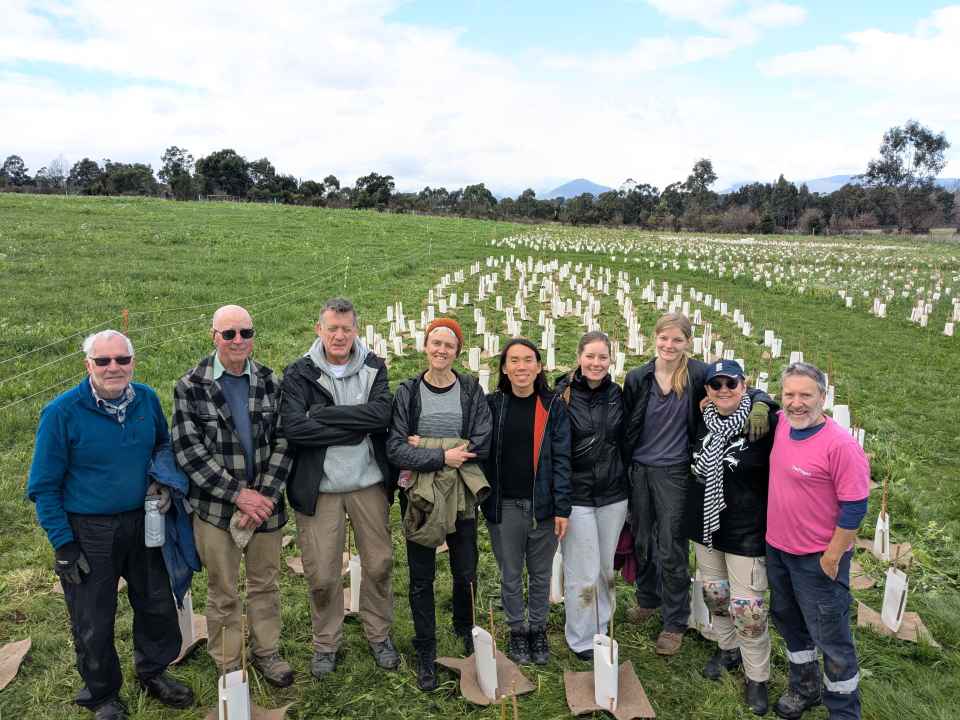
Every year, thousands of Victorians grow indigenous seedlings in their own backyards, helping restore habitats and landscapes they may never personally visit.
That simple but powerful idea sits at the heart of TreeProject, an organisation that has created one of Victoria’s most successful volunteer driven environmental programs by connecting urban communities with regional revegetation projects.
TreeProject’s model trains volunteers to grow indigenous seedlings at home before they are supplied to landcare groups, conservation organisations and private landholders undertaking restoration projects across the state.
The approach has made environmental volunteering accessible to people from all backgrounds and levels of experience, creating meaningful opportunities for participation and bridging the city-country divide. The program started in 1989 with the production of 15,000 seedlings and has grown to now support more than 2,500 volunteers each year producing over 160,000 seedlings each year.
Participants learn practical skills in seed preparation, germination and plant care while gaining a deeper understanding of local ecology and the role indigenous vegetation plays in healthy landscapes.
Volunteer trainers provide ongoing support throughout the growing process, helping participants build confidence and environmental knowledge.
The learning continues beyond the backyard. TreeProject’s planting days bring volunteers together with landcare groups and landholders across Victoria, allowing participants to gain hands-on experience in habitat restoration, biodiversity conservation and long-term land management.
For many volunteers, these activities provide their first direct connection with regional communities and environmental work on-the-ground.
“The organisation not only mobilises thousands of volunteers each year but also equips them with the knowledge, confidence and motivation to continue contributing to environmental restoration,” TreeProject General Manager Susi Millton said.
“This sustained participation demonstrates TreeProject’s success in fostering an informed, active and resilient community of environmental volunteers across Victoria.”
The program has also created multiple pathways for volunteers to stay involved through seed packing, nursery activities and recycling programs. These opportunities strengthen participants’ sense of stewardship while reinforcing the connection between individual action and landscape-scale environmental outcomes.
By combining practical environmental education with meaningful volunteer experiences, TreeProject has built a model that not only restores landscapes but also builds environmental awareness and community connection. Through thousands of volunteers and countless seedlings, the organisation continues to demonstrate the power of
grassroots action in creating lasting environmental change.
A neglected former railway corridor in Victoria’s south-west has been transformed into a thriving conservation reserve thanks to the efforts of the Hamilton-Coleraine Rail Reserve Committee. Spanning 37 kilometres and 157 hectares, the reserve now protects native grasslands, woodlands and heathlands while providing important habitat connectivity through a largely agricultural landscape. The volunteer-led group has planted more than 8,000 native trees, shrubs and grasses, while engaging schools, community organisations, local businesses and neighbouring landholders in restoration activities.
Since work begun 26 years ago, the committee has overcome challenges including major weed infestations, ageing infrastructure and complex landholder negotiations. Its success demonstrates how long-term community commitment can transform degraded land into an asset valued for both biodiversity and recreation.
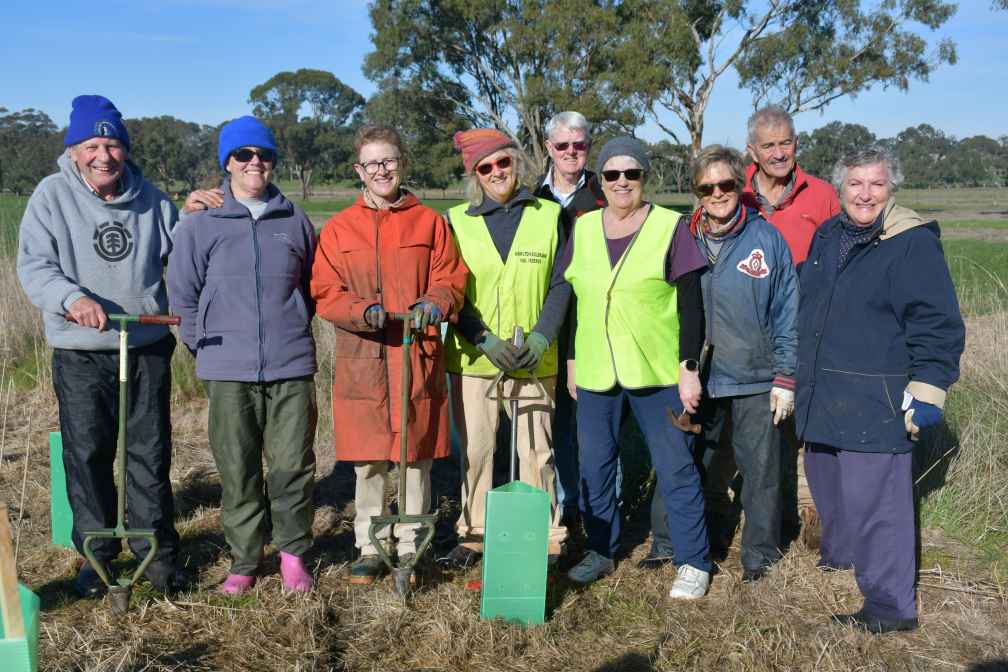
Above: Community involvement has been central to the Hamilton-Coleraine Rail Reserve Committee’s success.
Long-term monitoring and protection of native wildlife has been at the core of Wombat Forestcare’s work in one of Victoria’s most significant forest ecosystems.
The group maintains hundreds of nest boxes throughout the Wombat Forest, east of Macedon, providing critical habitat for species including brush-tailed phascogales and sugar gliders while generating valuable long-term ecological data.
Beyond its monitoring program, the organisation delivers habitat restoration projects, citizen science initiatives and educational activities that encourage people to engage with the forest and its conservation.
Through partnerships with volunteers, researchers and community groups, Wombat Forestcare has helped build a strong culture of environmental stewardship while contributing important knowledge about the region’s biodiversity and ecological health.
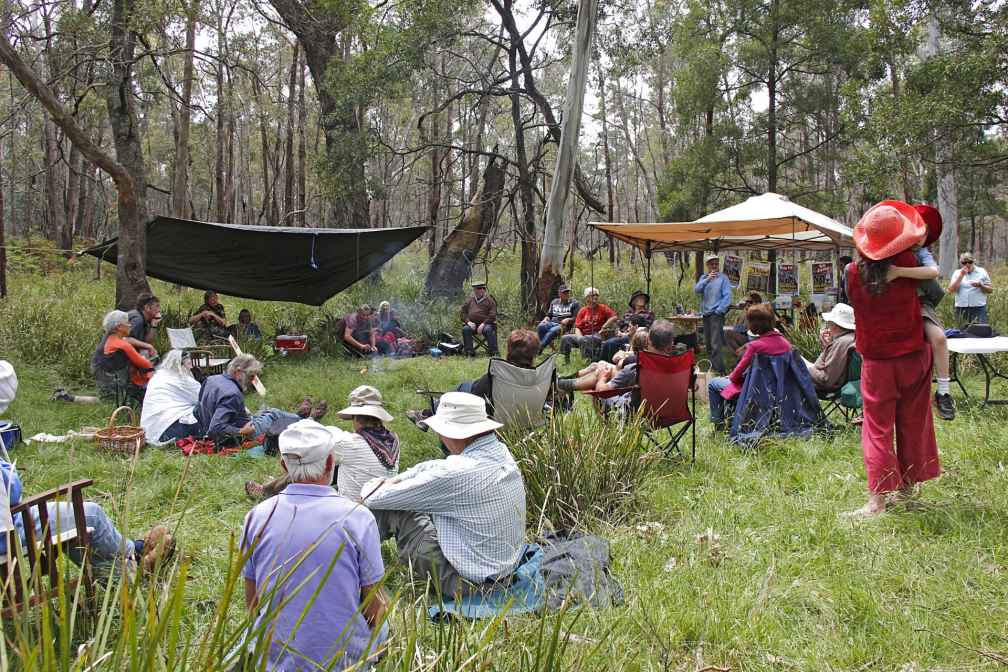
Above: Wombat forestcare oversees environmental monitoring initiatives, along with habitat restoration projects, citizen science initiatives and educational activities.