
Victorian Landcare Magazine - Spring, Issue 92
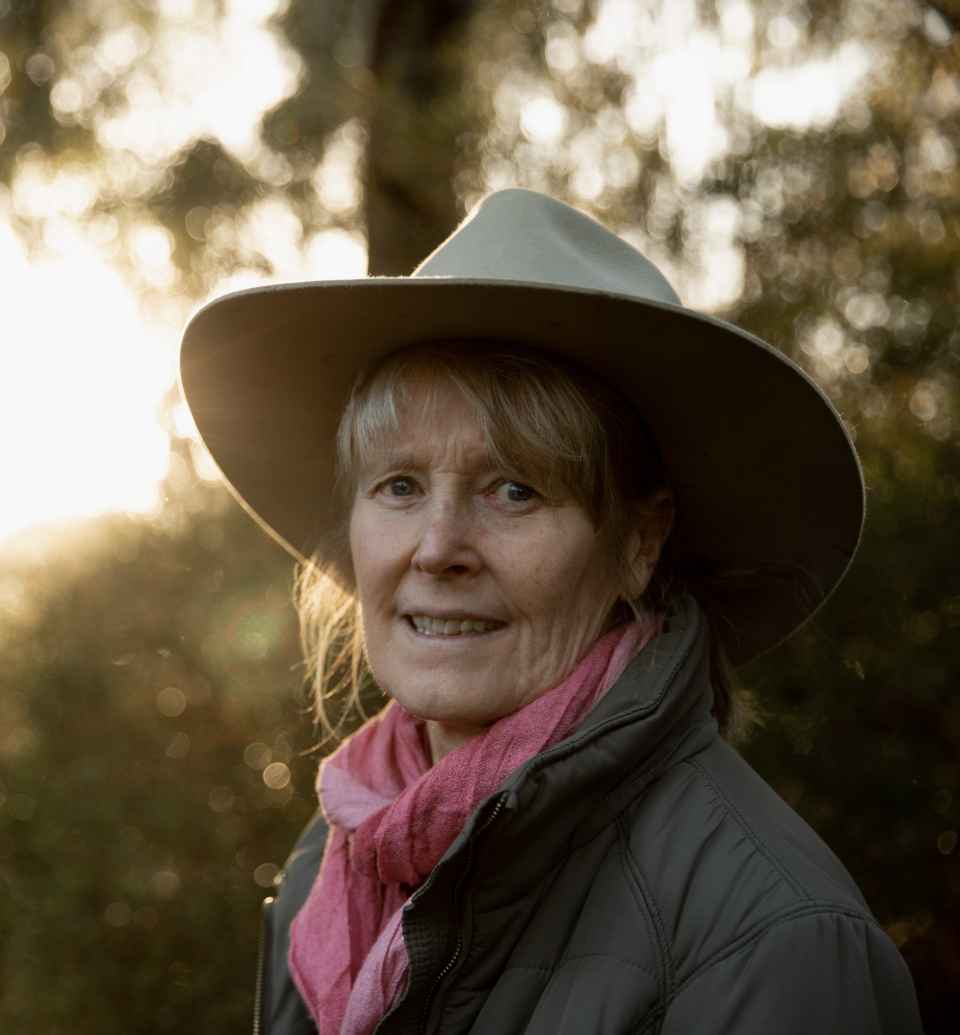
For more than two decades, Dr Kate Fitzherbert has combined ecological expertise, strategic thinking and community spirit to strengthen landcare in Victoria.
As president of St Andrews Landcare, she has helped transform a small volunteer group into a highly effective organisation delivering lasting environmental outcomes while building strong community connections.
Kate joined St Andrews Landcare in 2002, just a year after moving to the area.
At the time, the group was largely focused on plant propagation and occasional revegetation activities.
While enthusiasm for conservation was abundant, Kate recognised the need for a more strategic approach if landcare efforts were to achieve lasting landscape-scale benefits.
Drawing on her professional background in ecology and environmental management, she helped shape a new direction for the group.
A major turning point came when Kate represented the group during development of a Nillumbik-wide regional landcare strategy in 2009-10.
Her experience with Bush Heritage Australia and strategic conservation planning helped create a coordinated framework that aligned landcare efforts across the region.
The strategy shifted the focus from isolated revegetation projects to a more targeted and outcomes driven approach.
When Kate became St Andrews Landcare president in 2016, she ensured the strategy was translated into practical action.
Her leadership style centres on encouraging others, recognising individual strengths and creating opportunities for people to pursue projects they are passionate about.
Under her guidance, the committee has become a supportive and empowered team capable of delivering ambitious environmental initiatives.
One of the group’s most significant achievements has been the restoration of riparian habitat along Diamond Creek.
Working closely with volunteers and partner organisations, Kate helped secure funding for weed control, erosion management and large-scale revegetation works.
Supported by Melbourne Water and the Stringybark Nursery, the project has delivered lasting improvements to the health of the creek corridor.
Kate is equally passionate about engaging the broader community.
Together with the landcare committee, she helped develop the highly successful Feral Feast event, which turns pest species such as deer, rabbit and blackberry into a celebration of local food and environmental awareness.
The event attracted new audiences, increased membership and demonstrated how creative approaches can connect people with conservation issues.
Sustainability underpins all aspects of Kate’s work. The group prioritises locally-sourced indigenous plants, reuses tree guards and stakes wherever possible, and actively avoids single-use plastics.
Even catering at working bees reflects these values, with home-grown food often shared among volunteers.
Kate has also contributed significantly to the Caring for Our Rural Land initiative, a practical guide designed to help rural landholders better manage their properties.
Developed through collaboration between multiple landcare groups and government agencies, the publication makes land management knowledge more accessible to people of all experience levels.
Perhaps Kate’s greatest contribution is her ability to bring people together. Whether helping landholders access funding, supporting volunteers, sharing expertise or simply taking time for a good yarn, she has fostered a culture of inclusion, learning and mutual support.
Through strategic leadership and genuine community connection, she has strengthened both the landscape and the people who care for it.
A passionate advocate for youth engagement, Annette Cavanagh has become one of Australia’s leading young landcare voices.
Beginning with the Yellow Creek-Dairy Creek Landcare Group, she went on to co-found Upper Goulburn Intrepid Landcare and later became chair of Intrepid Landcare, supporting 16-20 youth-focused landcare groups nationwide.
Through innovative events, sustainable agriculture education, biodiversity projects and inclusive leadership, Annette has inspired young people from diverse backgrounds to participate in environmental action.
Her work combines community engagement, practical conservation and scientific research, helping ensure landcare remains relevant and accessible to future generations.